
Professionally Covering Events Is More Than Just Showing Up With a Camera
Professional event coverage is about more than cameras and highlight reels. It’s about awareness, timing, and preserving the feeling of a moment as it naturally unfolds.
TIPS & TRICKS
5/11/20263 min read
A lot of people think event coverage is simple.
Which, to an extent, kinda is.
You show up, take photos or videos, capture the important moments, then pack up and leave.
But the longer I’ve worked events, the more I’ve realized the actual job has very little to do with pressing record or clicking for a photo.
It’s about awareness.
Noticing and taking note of who's there and why.
Every event has its own rhythm.
Some are loud and fast-moving, while others are quieter and more personal.
A big part of covering events professionally is learning how to read the room.
Knowing when to move closer, when to step back, and when a moment matters enough to leave completely untouched.
This takes time and I’ve had to learn where it's appropriate to stand and when it's time to GTFO of the way.
I’ve learned over time is that people can instantly feel the difference between someone who’s just there for content… and someone who genuinely respects the space they’re working in.
That changes everything.
I try my best to match the energy or to bring it up if it’s low. I don't mind embarrassing myself with some dance moves in the centre of the room if it means others will come up so I can do my job before the end of the night.
People become more comfortable, when they see even the photographers having fun.
Moments become more natural because they’re laughing at me, or as I'd like to think, with me.
The atmosphere stays authentic, because I'm encouraging moments, not forcing it.
And that’s where the strongest footage I get usually comes from.
Preparation also matters more than most people realize.
Professional event coverage starts before the event even begins:
First I try to understand the schedule, so I know where to be for moments (and more importantly when I can eat).
Then I scout the lighting conditions, which usually aren’t great. This means I should either bring lighting and be prepared to white balance often or choose to spend some more time in the editing.
Then of course preparing gear. Whatever the contract says we are doing is what I bring, but I like to sometimes bring some extra stuff like a small light or a gopro for those fun moments where a big camera can get in the way.
Ensuring all the batteries are charged and storage is formatted and ready to be used. I also bring multiple of these just in case they run low.
Remember to bring business cards so you can hand them out so people know where to get the content afterwards (if its alright with the client)
But honestly, one of the most important skills has nothing to do with cameras.
It’s being dependable, fun and focused.
Showing up on time.
Communicating clearly.
Delivering work professionally.
People remember that just as much as the final photos or video.
Over time, I’ve noticed the best event coverage doesn’t try to force moments.
It pays attention long enough for real ones to happen naturally.
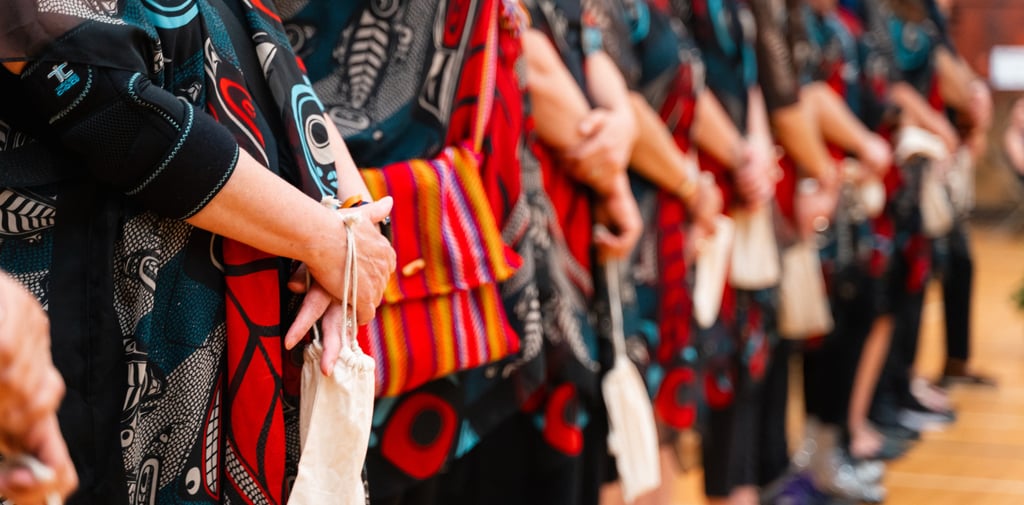
Using a zoom lens to capture the reactions and moments between people when they aren’t posing and asking you for a photo (sometimes even if you have a video camera in hand).
That’s usually where the emotion is.
The interactions between people, laughing, focused, crying, or people doing something that's part of the event.
The moments in between the programs, where people are concerned, joyful or riled up.
The atmosphere you can’t recreate once the day is over.
Unless you’re hired as a photobooth, you should be getting all the moments that can’t be shot on a phone like an Instagram story.
At the end of the day, professional event coverage isn’t just documenting what happened.
It’s preserving how it felt to be there.